Dense Phase Pneumatic Conveying System
Fast, Flexible & Reliable Bulk Material Transfer
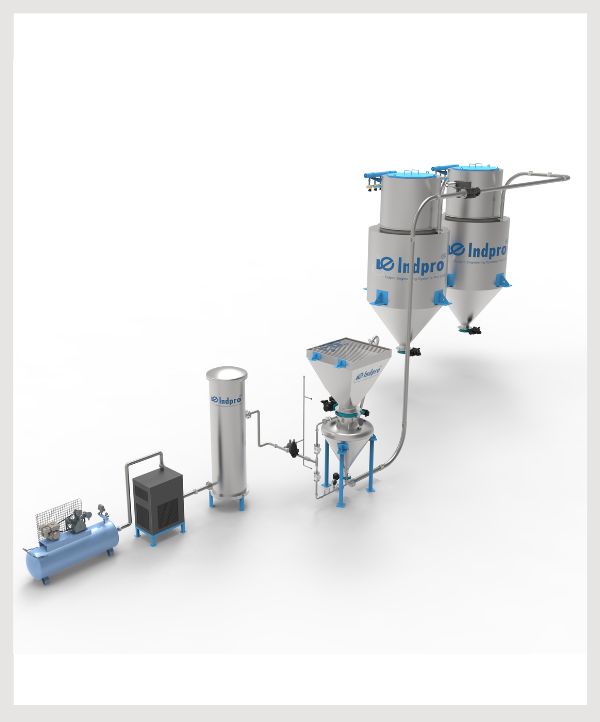
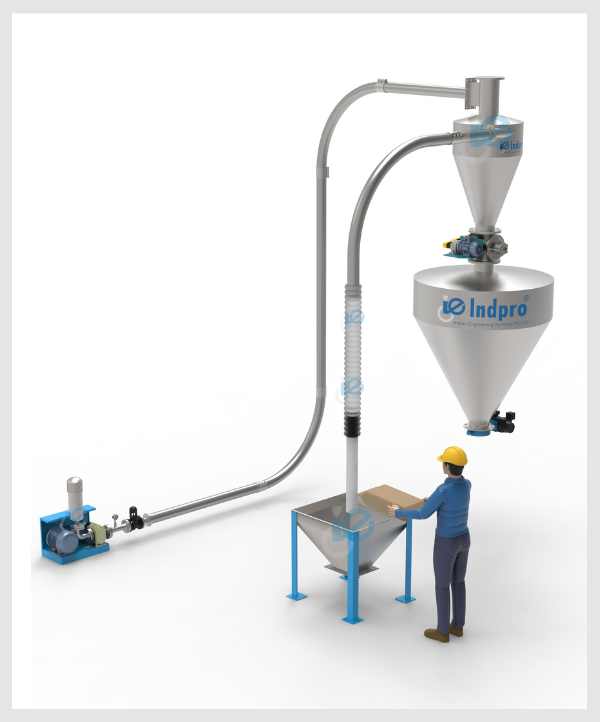
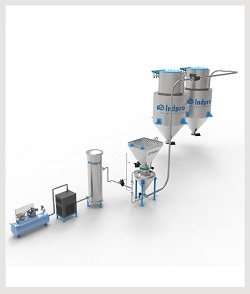
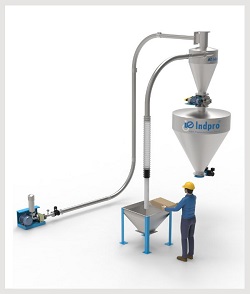
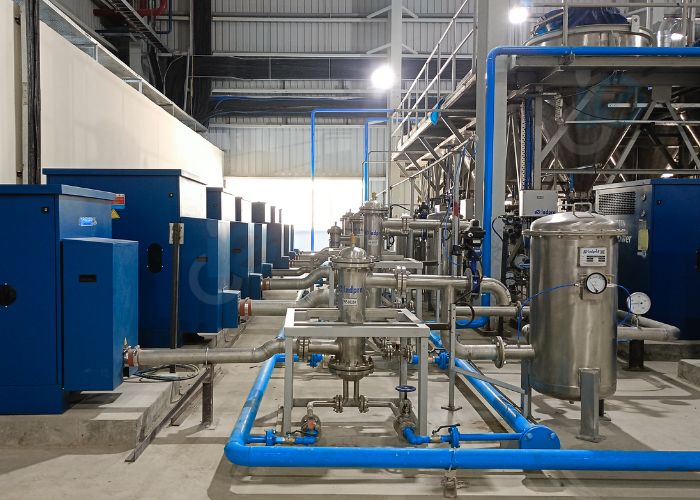
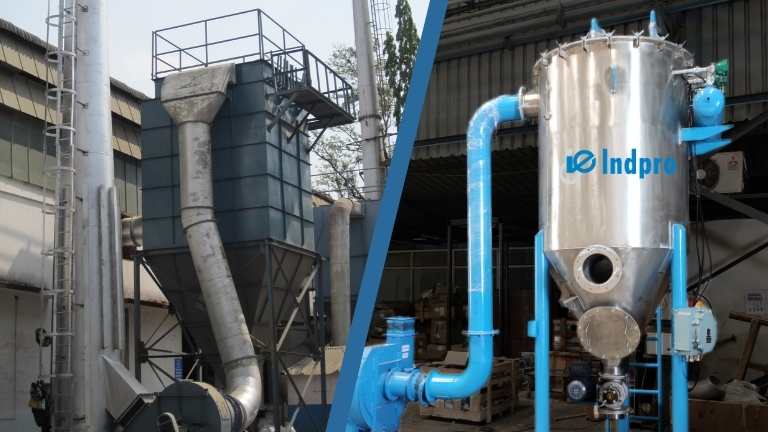
Indpro is the leading solution provider for dense phase pneumatic conveying systems. Pressure type dense phase conveying systems use positive air pressure and vacuum type dense phase conveying systems use negative air pressure to move material from one point to another.
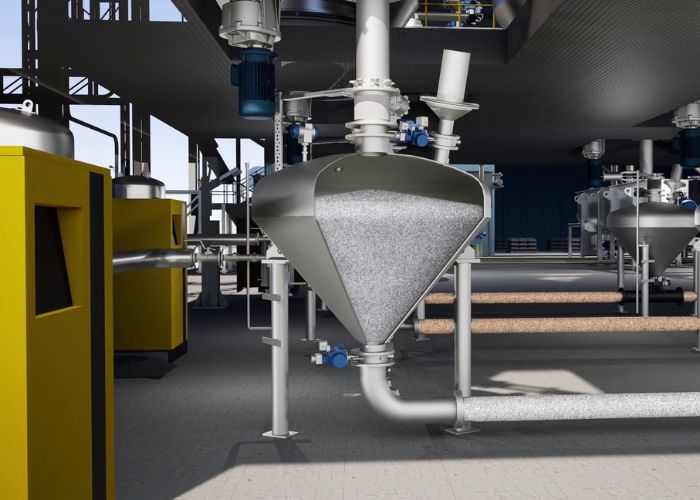
Dense Phase Pneumatic Conveying is designed for applications where materials must be handled gently, efficiently, and with minimal degradation. Unlike dilute phase systems that rely on high air velocities, dense phase technology uses low velocity and high pressure to move the material through the pipeline in controlled “plugs” or “waves.” This makes it an excellent choice for abrasive, fragile, heavy, or high-bulk-density powders and granules.
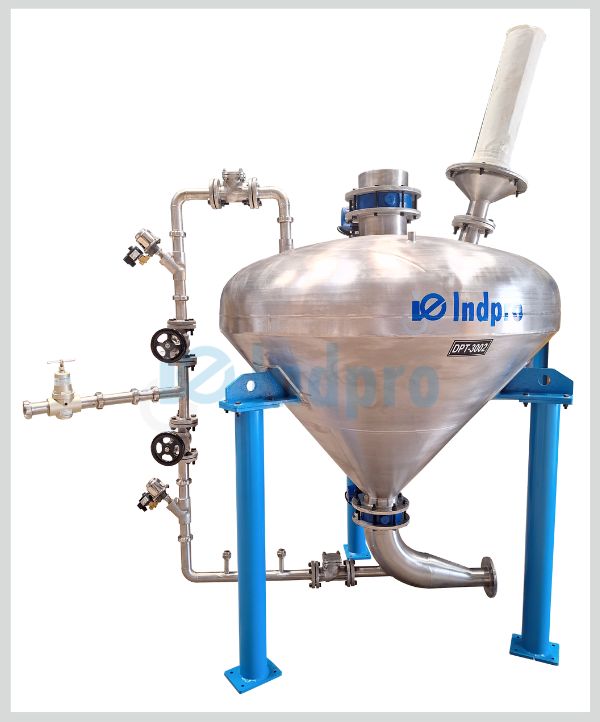
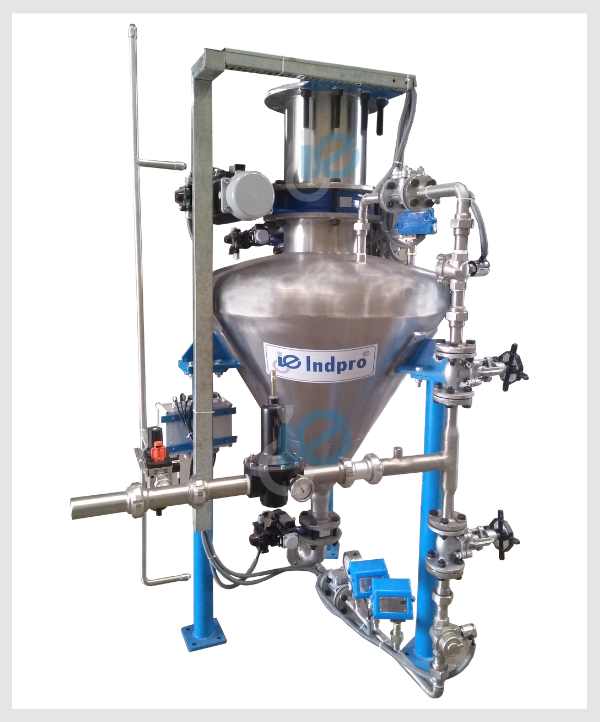
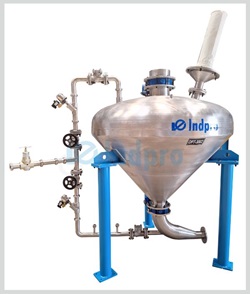
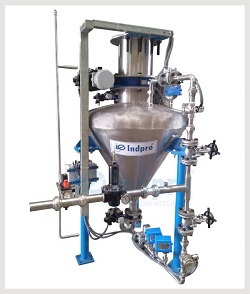
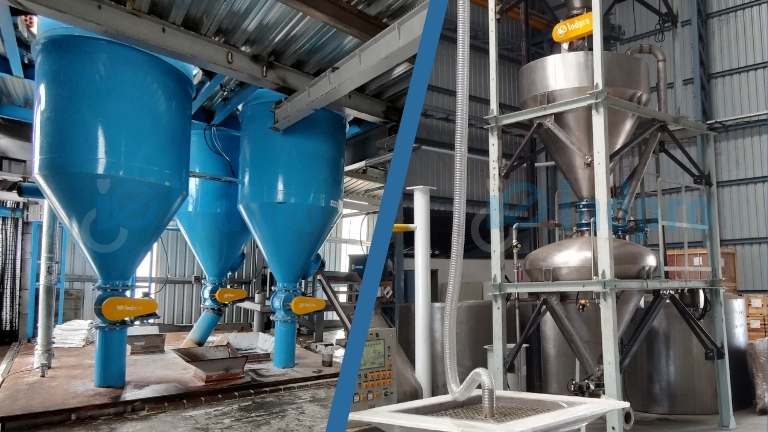
How Dense Phase Conveying Works: Dense phase conveying operates using either a high-pressure rotary valve, upto 3.5 bar(g), or a pressure vessel or Dense Phase Transporter (DPT), upto 6 bar(g), which pressurizes
the material and pushes it into the pipeline along with carefully controlled compressed air. Instead of keeping particles fully suspended, the material travels at low velocities (typically 1–12 m/s) in the
form of compact plugs or moving bed flow.
Dense phase systems typically operate at high pressures with high solid loading ratios, resulting in highly efficient, low-air-consumption gentle conveying—ideal
for fragile, abrasive or sensitive materials.
We at Indpro provide engineered, customized dense phase pneumatic conveying solutions to suit every material and process requirement.
Which Mode — Pressure or Vacuum — Should You Choose?
For dense phase conveying, choose Pressure Mode when you need to move material from a single source to multiple destinations over long distances. It’s ideal for heavy, abrasive, or fragile materials that require high throughput over long distances. Choose Vacuum Mode when you need to move material from multiple sources to single destination over short distances. It’s ideal for abrasive, or fragile materials that require slow, controlled movement into vessels or tanks.
| Parameter | Dense Phase – Pressure Conveying | Dense Phase – Vacuum Conveying |
|---|---|---|
| Driving Force | High-pressure compressed air pushes material in plugs/slugs or moving bed | Vacuum pump pulls material in dense, slow-moving packets |
| Operating Pressure | 1–6 bar(g) (high positive pressure) | Down to –950 mbar(g) (limited vacuum capability) |
| Material Entry | Low-velocity, slug/plug flow, minimal attrition | Low-velocity, controlled dense flow, highly dust-tight |
| Conveying Distance | Medium to long distances: 200–400 meters | Short distances: up to ~20 meters |
| Material Pick-Up Points | Typically, single source feeding into the line | Supports multiple pick-up points merging into one line |
| Material Discharge Points | Can feed multiple destinations using diverter valves | Usually single destination (receiver or vessel) |
| Preferred Applications | Long-distance silo transfer, batch transfer, high throughput | Hygienic transfer, loss-in-weight feeding, controlled batch feeding |
| System Complexity | Higher requires pressure vessels, valves, rated piping | Simpler single receiver with vacuum pump and valves |
| Velocity Range | 1–12 m/s | 3–8 m/s |
Key Features
- Low-Velocity, Gentle Handling
- High Pressure, High Efficiency
- Reduced Wear & Longer Equipment Life
- High Material Loading
- Ideal for long distance transfers
- Dust-Free & Enclosed Operation
- Low Wear & Minimal Maintenance
- Flexible Integration
- Low Maintenance
- Safe Operation
- Perfect for abrasive or fragile powders
21+
YEARS OF LONG LASTING AND MUTUALLY REWARDING RELATIONSHIPS
Applications:
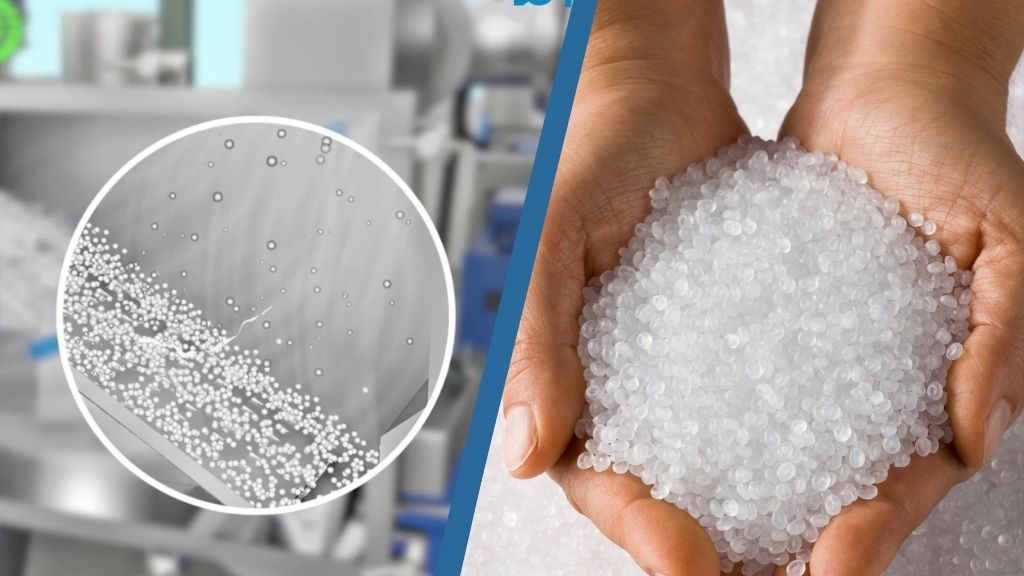
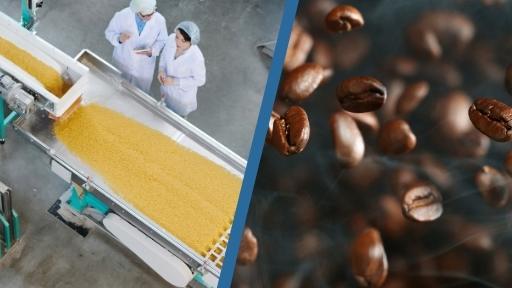
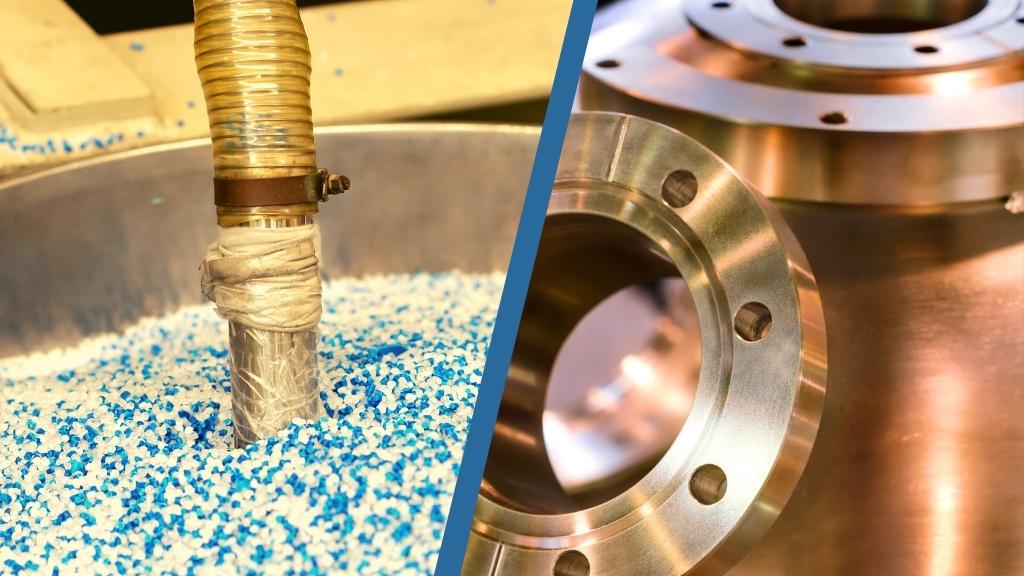
Virgin plastics, plastic compounds, masterbatches, fragile granules | catalysts, resins, fine chemicals, pigments, specialty chemicals | sugar, salt, cereal, roasted coffee beans, tea leaves, milk powder| APIs, excipients, blends, controlled substances | Calcite, dolomite, salts, soda ash, minerals
Business Areas



Dense Phase Pneumatic Conveying System FAQ's
Dense phase conveying is a method of transferring powders, granules, and pellets through a pipeline using low-velocity air. The material moves in a dense, plug-like flow, making it ideal for abrasive, fragile, or heavy bulk solids.
Dense phase operates at low velocities and high pressures, typically using a pressure vessel or DPT (Dense Phase Transporter). This reduces material degradation and pipe wear. Dilute phase, on the other hand, uses high velocity and low pressure to keep material suspended. Dense phase is chosen for fragile or abrasive materials where minimal breakage and dust generation are important.
es, dense phase uses less airflow and provides higher material loading, which can significantly reduce energy usage. Although the system uses high pressure, the total power consumption is lower as compared to dilute phase.
Want to know more about Pneumatic Conveying?
Tell us more about your application needs.
Download Brochure

Latest blog post
We would love for you to know more about what goes behind designing of our systems and our considerations for the various industries we cater to.

Global Business Associates